How Buffalo Small Businesses Can Expand Naturally with SEO
What organic search growth means for small businesses
For a small business in Buffalo, NY, organic SEO is the ongoing process of building more presence in search engine results without relying solely on paid ads. It is about improving organic visibility so your company appears when local customers search for services with real buying intent. That means focusing on search intent, stronger ranking signals, and a website that helps people move from discovery to action.
Organic growth matters because Buffalo search behavior is highly local. A homeowner in North Buffalo may search differently than a restaurant owner near Downtown or a contractor serving Amherst. A business that understands local search patterns can build content and pages that align with how people actually search across the Buffalo Niagara region. This is where search engine optimization becomes practical: not as a technical checkbox, but as a customer acquisition system.
For service businesses, organic SEO also supports lead generation and brand trust over time. Instead of chasing every click, you are building steady traffic growth from people actively looking for solutions. The result is more qualified leads, better awareness, and a stronger foundation for long-term growth.
How web design and SEO services work together
Web design and SEO services are best when they are developed together. A site can look professional and still perform poorly if it does not support technical SEO, crawlability, and indexability. At the same time, a well-built site can still fail if the user experience is unclear or the content is hard to use on mobile devices.
Good web design enhances how visitors move through the site, which impacts engagement and conversions. Strong visual hierarchy, clear calls to action, and mobile-friendly design help users find what they need faster. That matters in Buffalo, where many customers compare nearby providers on their phones before calling or requesting a quote. Fast website performance is not just a convenience; it directly influences search behavior and sales.
SEO services make the design work harder by ensuring the site structure supports search engine optimization. That includes clean URLs, strategic page architecture, internal linking, optimized metadata, and a site that performs well on core web vitals. When web design and SEO services are aligned, the result is better user experience, stronger authority building, and more efficient customer journeys from search to inquiry.
Digital promotion paths to support organic growth
Online marketing drives sustainable growth by boosting visibility throughout multiple interactions. For Buffalo businesses, the best results usually come from combining content creation, local listings, and a well-managed Google Business Profile. These channels work together to reinforce your brand, establish trust, and boost discovery in both search results and map-based searches.
Content creation helps you respond to common customer questions before they call. A plumbing company serving Lake Erie neighborhoods may publish maintenance tips, seasonal guides, or service explanations that match real search intent. That type of content strengthens semantic relevance and supports a broader content strategy that attracts people at different stages of the buyer journey.
Your Google Business Profile is highly important for local search. It improves visibility in map results, highlights service areas, and helps people compare providers quickly. Couple that with accurate local citations across key directories, and you create consistent trust signals across the web. In a competitive market like Buffalo, that consistency can improve ranking potential and reinforce brand trust.
Online marketing also gives you more context for performance. You can see which topics bring in calls, which pages aid customer acquisition, and which local terms rank best around Downtown, Elmwood Village, or Amherst. That insight makes organic growth more usable and easier to scale.
Ways AI experts can AI experts are able to improve keyword strategy and content planning
ai experts can help small businesses take wiser steps about keyword research and content optimization. Rather than guessing which terms matter, they study search patterns, competition, and user intent to uncover opportunities that align with your business goals. This is very valuable in a market like Buffalo, where local competition and neighborhood-level demand can vary significantly.
Solid keyword research is more than high-volume terms. It identifies long-tail keywords that match specific problems, locations, and service needs. For example, a business may discover that customers are searching for “emergency roof repair near Canalside” or “best accountant in Amherst for small business taxes.” Those terms may not produce massive volume, but they often convert better because they reflect exact search intent.
Sunstone Digital Tech50 Fountain Plz #1400, Buffalo, NY 14202
(315) 758-3349
https://maps.app.goo.gl/y9HMhvcoPCh9V3eKA
https://sunstonedigitaltech.com/buffalo-marketing-agency/web-design
42.8898193, -78.8738661
AI experts also strengthen competitive analysis by examining what other https://brockport-ny14450xh990.fotosdefrases.com/data-driven-online-marketing-and-artificial-intelligence-consulting-in-buffalo-ny local businesses are publishing, which pages are earning visibility, and where content gaps exist. That enables you to build a smarter content plan that improves ranking opportunities without wasting effort on broad, crowded phrases. AI tools can surface patterns in search engine algorithms, but human expertise is still needed to shape messaging, brand voice, and local relevance.
In practice, AI-driven planning helps businesses create better topical coverage, improve on-page SEO, and prioritize pages that are most likely to generate leads. The goal is not to automate strategy blindly. It is to use data and AI guidance to make content more valuable, more focused, and better aligned with customer behavior.
Local search optimization tactics for Buffalo, NY businesses
For every business in Buffalo, NY, local SEO should be built around how nearby customers really search. Buffalo is a highly competitive local market with clear neighborhood and metro-area search intent, so your visibility in the map pack can make a big difference in calls, visits, and quote requests. Businesses serving the Downtown area, North Buffalo, Elmwood Village, and Amherst need local signals that make their coverage easy to understand and credible.
Start with an accurate and complete Google Business Profile. Enter your business categories, hours, services, photos, and service-area details. If you serve the city and surrounding suburbs, make that easy to see so customers know where you work. Clear service-area business information assists search engines understand relevance and helps users feel confident that you can actually serve their location.
Reviews are another key trust signal. Buffalo customers often compare providers by reading recent feedback before they make a decision. Positive reviews, detailed responses, and consistent review generation can improve visibility and brand trust at the same time. This is especially valuable for service businesses that depend on reputation and repeat referrals.
Local citations also play a role. Consistent name, address, and phone information across directories supports search engine optimization and reinforces legitimacy. When citation data matches your website and profile listings, it helps search engines validate your business. Add Buffalo-specific references naturally where relevant, such as neighborhood names, Lake Erie landmarks, Canalside, and Western New York service areas, to improve relevance and local connection.
On-page SEO components that boost positions and leads
Strong on-page SEO helps search engines understand your pages and guides visitors to take action once they arrive. The most important elements include title tags, meta descriptions, internal linking, and schema markup. Every element contributes to search visibility, understanding, and lead generation.
Title tags should feature the primary topic and location when appropriate. As an example, a Buffalo service page might clearly signal both the service and the area served. Meta descriptions should reinforce the value of the page and encourage clicks by matching search intent. Even though they do not directly secure rankings, they can improve click-through behavior and traffic growth.
Internal linking allows users explore related content and helps search engines understand page relationships. It also guides visitors from educational pages to high-intent service pages, which aids lead generation. This is one of the simplest ways to improve crawl paths and strengthen semantic relevance across a site.
Schema markup introduces structured data that can help search engines interpret your content more accurately. For local businesses, it can support service details, reviews, business information, and location relevance. Combined with clear copy and strong page organization, schema markup can improve how your business appears in search and how efficiently users find the right information.
Content ideas that attract local customers
To bring in nearby customers, your content strategy should focus on the queries, issues, and locations that matter the most. Start with high-value offering pages that describe each offering simply and tie the service to local needs. Service pages should be thorough enough to answer common questions while staying focused on conversion.
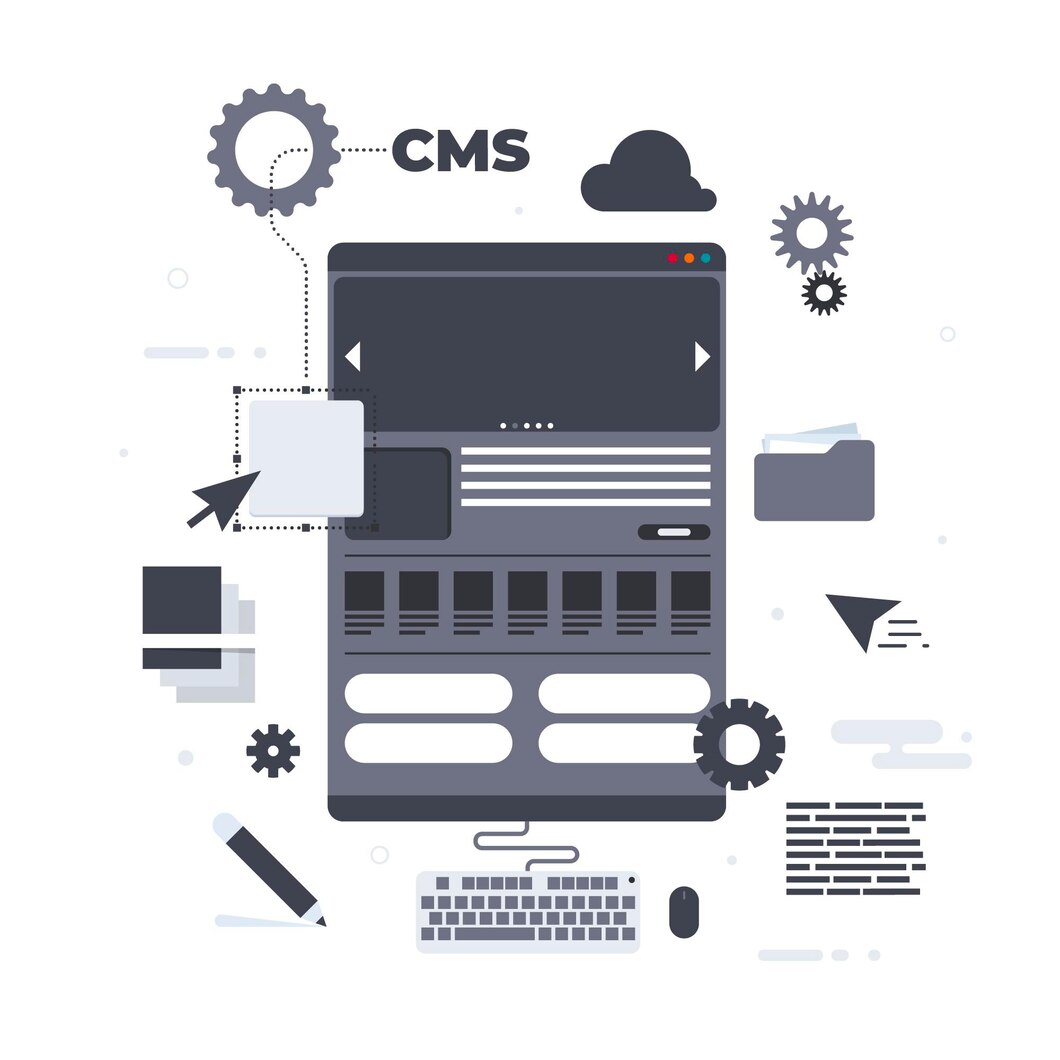
Blog posts can support those service pages by covering seasonal topics, maintenance tips, buying guides, and neighborhood-specific concerns. A Buffalo HVAC company might publish content about winter prep near Lake Erie winds, while a local landscaper might write about spring cleanup in the Buffalo Niagara region. These topics develop topical authority and keep the site relevant throughout the year.
Area pages are especially valuable for businesses serving multiple areas. If you work across Buffalo, North Buffalo, Elmwood Village, and Amherst, separate location pages can spell out service coverage and speak directly to local search intent. Each page should be distinct, useful, and tailored to the specific area instead of repeating the same copy.
Use specific keywords to reach more specific search demand. These phrases often reflect stronger intent and can bring in qualified leads who are closer to booking. A smart content strategy combines service pages, blog content, and location pages so your site can support organic visibility across different stages of the buying journey.
How to measure organic search success over time
Organic SEO success should be tracked with the right data points, not just rankings alone. The most useful metrics include organic traffic, keyword rankings, lead generation, and conversion rate. In combination, these show whether your organic strategy is bringing the right people to your site and turning them into customers.
Organic traffic lets you know whether more people are finding your site through organic search. Keyword rankings indicate progress for target terms, especially location-based and specific phrases. But the true test is whether that traffic becomes business value. If you are gaining traffic but not leads, you may need better on-page SEO, clearer calls to action, or a better user experience.
Track conversion rate by page type and traffic source. A service page with high traffic but low conversion may need better messaging, better credibility cues, or improved mobile usability. A blog page that attracts visitors but no inquiries may still be valuable if it supports brand trust and moves people deeper into the site through internal linking.
For Buffalo businesses, measuring progress over time is especially important because local search competition can shift by season, neighborhood demand, and service category. A steady improvement in qualified leads, phone calls, form submissions, and map visibility usually signals that your strategy is working.
Frequent SEO pitfalls small businesses should avoid
Many businesses lose growth opportunities by making avoidable SEO mistakes. One of the biggest is publishing duplicate content across multiple pages or locations. Search engines need unique value to understand each page’s purpose, and repeated copy can weaken relevance.
Another common issue is thin content. If a page does not answer customer questions or explain the service clearly, it will struggle to compete. Thin content also hurts semantic relevance because it gives search engines little context about what the page is about. Strong pages should provide useful detail, local context, and clear next steps.
Loading speed is another significant challenge. Slow-loading pages annoy users and can weaken website performance, especially on mobile. Since many Buffalo customers search while comparing nearby providers on their phones, speed directly affects engagement and conversions. Fast loading times support better core web vitals, better user experience, and stronger organic visibility.
Finally, do not ignore mobile optimization. If menus are hard to use, buttons are too small, or content is difficult to read on a phone, users will leave. A mobile-first approach is crucial for local search success, especially for service-area businesses that depend on quick contact decisions. Avoiding these issues helps protect ranking signals and gives your site a better chance to convert local visitors into customers.
FAQ
How long does organic SEO growth take for a small business in Buffalo?
Organic SEO growth usually takes multiple months to build, and the timeline depends on competition, site quality, and how consistently you create and optimize. In Buffalo, results can show up earlier for highly focused local pages, but stronger gains usually appear as your content, technical SEO, and authority building compound over time. The best strategy is to track progress month by month through organic traffic, keyword rankings, and lead generation.
Why do web design and SEO services need to work together?
Web design and SEO services need to work together because a site must be both discoverable and easy to use. Good design improves user experience, while SEO ensures crawlability, indexability, and relevance. When both are aligned, your site loads faster, works better on mobile, and converts more visitors into qualified leads.
What local SEO tactics help Buffalo businesses rank in the map pack?
The most important local SEO tactics include fine-tuning your Google Business Profile, earning reviews, building consistent local citations, and clearly defining your service area. Buffalo businesses should also create location-relevant content and maintain accurate business information across the web. These signals help search engines trust your business and improve your chances of appearing in the map pack.
How can AI experts help with keyword research and content strategy?
ai experts can analyze search patterns, competitor analysis, and content opportunities to find valuable keyword opportunities. They help identify specific keywords, connect content to search intent, and strengthen content optimization across service pages and blog content. Used well, AI supports smarter decisions without replacing human judgment, local knowledge, or brand voice.
What metrics should small businesses track to measure SEO success?
Small businesses should monitor organic traffic, keyword rankings, lead generation, and conversion rate. It also helps to assess page-level engagement, calls, form submissions, and mobile performance. These metrics show whether your organic SEO efforts are boosting traffic growth and delivering real customer acquisition results.